Many dating apps ask for a phone number during sign-up — some estimates put that figure above 70%. If you’d rather keep your personal number private, you’re not alone. A growing number of apps and sign-up options let you register without handing over your digits, focusing on privacy-first verification methods that still help reduce fake profiles and abuse. Read on to learn how these phone-number-free options work, how to protect your privacy, and legitimate alternatives you can use to stay secure while you meet new people online.
Dating App Landscape
Verification Challenges
Dating platforms must balance ease of onboarding with safety. Relying solely on phone verification helps prevent fraud, but it can also exclude people who don’t want to share a personal number. To reduce fake accounts, many apps now combine multiple verification steps: selfie/liveness checks, document verification where appropriate, social account linking (OAuth), device fingerprinting, and machine-learning abuse detection. Offering several trusted options gives users choice while keeping the community safer.
Privacy Concerns
Privacy is a top concern for both users and platforms. Modern apps should publish clear privacy policies, follow regional rules like GDPR and CCPA when applicable, and provide a privacy dashboard where users can manage what’s shared. End-to-end or at-rest encryption for sensitive data, strict access controls, and routine audits are essential to prevent leaks and limit third-party exposure.
User Security
Beyond verification, user safety relies on good security practices across the board. Apps can reduce risk by running behavioural analytics to detect suspicious accounts, offering easy account-recovery paths, and requiring periodic re-verification in high-risk situations. For users, understanding privacy settings and following simple safety routines goes a long way toward staying secure.
Tinder Sign-up Guide
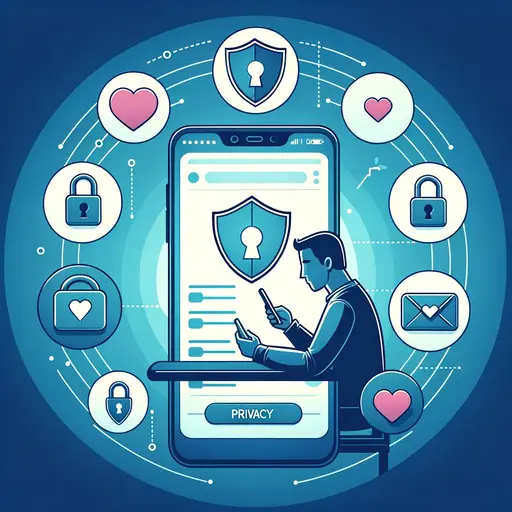
Tinder Without Phone Number
Sign-up requirements vary by app and region. Tinder and similar services sometimes allow registration with email, Apple ID, Google, or Facebook accounts instead of a phone number — but these options change over time and by country. When phone verification is optional, it’s usually to improve account recovery or enable certain features.
If you want an extra layer of privacy while signing up, consider using a reputable virtual number provider like SIMUB. A virtual number lets you complete verification steps without exposing your personal phone. For example, you can register on dating apps without phone number using a SIMUB virtual number, keeping your personal contact information separate while you chat and set up dates.
Privacy Tips for Users
Profile Anonymity
If an app allows it, use a nickname or first-name-only display to protect your identity. Avoid posting photos or profile details that reveal exact home addresses or workplaces. Keep location and social links controlled until you truly trust a match.
Data Sharing Limits
Check account settings to limit who sees your profile and what metadata the app stores. Opt out of third-party data sharing where possible, and delete old accounts you no longer use. Platforms that provide clear export and delete options give you more control over your information.
Security Strategies
Strong Passwords
Use unique, strong passwords and a password manager to avoid reuse across services. Implement password-strength indicators at signup and encourage periodic password updates to reduce the chance of account takeover.
Two-factor Authentication
Turn on two-factor authentication (2FA) when available — preferably using an authenticator app or hardware key instead of SMS, which can be vulnerable to interception. Keep backup codes in a secure place in case you lose access to your 2FA device.
Secure Connections
Only use apps and websites that enforce HTTPS and keep their certificates current. Avoid logging into dating sites on public Wi‑Fi without a VPN, and be cautious when clicking links from new matches to protect yourself from phishing and malware.
Maintaining Anonymity

Pseudonyms Use
Using a pseudonym helps keep your real identity private while you decide whether someone is trustworthy. Choose a name that’s memorable but doesn’t disclose personal details like your last name, workplace, or exact neighborhood.
Avoiding Personal Info
Limit early disclosures: skip sharing your home address, daily routines, or other identifiable facts until you’ve built real trust. When meeting someone in person, always pick a public place, tell a friend where you’re going, and consider arranging your own transportation.
Final Remarks
Online dating doesn’t have to mean surrendering your privacy. By choosing apps with flexible verification methods, using privacy-minded tools like virtual numbers, and following basic security practices, you can meet people more safely. Be selective about what you share, verify accounts thoughtfully, and use available settings to control your data.
If you want to keep your personal number private while still verifying accounts, a trusted virtual number service such as SIMUB can be a practical, legitimate option. Stay informed, stay cautious, and prioritize your digital well-being as you explore the dating world.